
How Stress and Emotions Affect the Body: Lessons from “When the Body Says No”
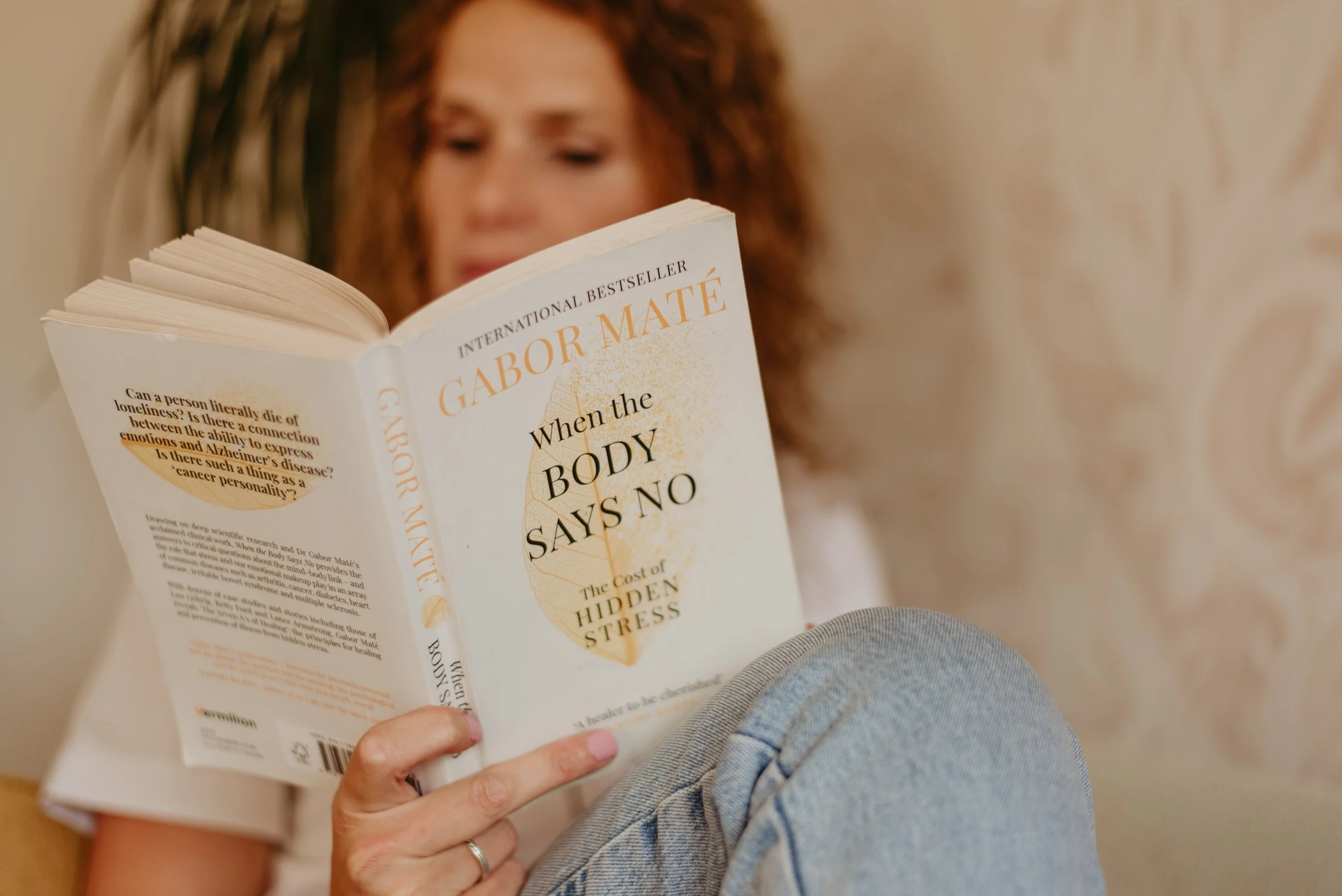
Every now and then a book comes along that doesn’t simply add information — it changes the way you see health.
One of those books for me is When the Body Says No by physician and author Gabor Maté.
It is a fascinating and sometimes confronting exploration of the relationship between emotional life, stress and physical illness. What makes the book so powerful is that it invites us to consider a possibility that many of us instinctively feel but rarely examine closely: that the body is constantly responding to how we live.
In modern societies we often view health through a very specific lens. Something goes wrong, symptoms appear, and we turn to the medical system to diagnose and treat the problem. And modern medicine has achieved extraordinary things — from life-saving interventions to sophisticated diagnostic tools.
But Maté’s work encourages us to ask a deeper question.
What if many illnesses begin long before the first symptom appears?
What if the chronic stress we carry, the emotions we suppress, the expectations we place on ourselves and the roles we adopt in our lives gradually influence how our bodies function?
In other words, what if the body keeps a record of our experiences?
The Mind–Body Connection: One Integrated System
One of the central ideas explored in the book is that the mind and body are not separate systems that occasionally influence one another. They are deeply interconnected.
Our thoughts, emotions and experiences influence the nervous system, the endocrine system and the immune system. When stress becomes chronic, these systems can become dysregulated.
For example, prolonged stress can affect:
the autonomic nervous system, which regulates fight-or-flight responses
the hypothalamic-pituitary-adrenal (HPA) axis, which governs stress hormones
the immune system, which protects the body but can also become overactive or weakened
Over time, this physiological strain can contribute to inflammation, immune imbalance and increased vulnerability to illness.
Fields such as psychoneuroimmunology have explored these relationships for decades, but Maté’s work brings them to life in a compelling and accessible way through stories from clinical practice and scientific research.
Personality Patterns and Illness
One of the most striking aspects of When the Body Says No is Maté’s observation that many patients with chronic illness shared similar psychological patterns.
Importantly, this is not about blaming individuals for disease. Illness is always multifactorial and influenced by genetics, environment, lifestyle and chance.
However, certain coping styles and personality traits appeared frequently among patients experiencing particular conditions.
These often included:
strong people-pleasing tendencies
difficulty expressing anger or disagreement
an excessive sense of responsibility for others
chronic suppression of personal needs
a tendency to prioritise harmony over authenticity
In other words, individuals who had spent much of their lives taking care of everyone else while neglecting themselves.
Over time, the emotional and physiological cost of this pattern can accumulate.
And this is where the title of the book becomes particularly powerful.
Sometimes, when we cannot say no in our lives, the body eventually says it for us.
Autoimmune Disease: When the Immune System Turns Inward
In the book, Maté discusses patterns observed among individuals living with autoimmune conditions.
Many patients described lifelong tendencies toward self-sacrifice, perfectionism and emotional suppression, particularly around anger.
Anger is a natural emotional response that signals when boundaries are crossed. When individuals learn early in life that expressing anger is unacceptable or unsafe, that emotion may become chronically suppressed.
From a physiological perspective, this can create persistent internal stress.
The immune system is closely connected to the nervous and endocrine systems. Chronic stress can alter immune regulation, potentially contributing to conditions where the immune system becomes overactive or misdirected.
While emotional patterns alone do not cause autoimmune disease, the book raises an important perspective: the way we manage stress and emotions may influence immune resilience over time.
Cancer: The Cost of Emotional Suppression
Maté also explores research examining psychological patterns among some individuals diagnosed with cancer.
Many had spent decades in roles defined by excessive caregiving, emotional restraint and difficulty asserting their own needs. These individuals often prioritised maintaining harmony and avoiding conflict, even when it meant ignoring their own emotional wellbeing.
Again, this is not presented as a direct cause of cancer. The development of cancer is complex and influenced by genetics, environmental exposures and many biological processes.
However, chronic emotional suppression may affect immune surveillance — the process by which the immune system identifies and eliminates abnormal cells.
This perspective invites a deeper reflection: emotional health may play a larger role in physical resilience than we often acknowledge.
ALS: The Burden of Relentless Responsibility
One of the most striking discussions in the book explores patterns observed among individuals with amyotrophic lateral sclerosis (ALS).
Many of these patients were described as extraordinarily responsible, disciplined and driven individuals. They were often admired for their strength, reliability and dedication to others.
But beneath these admirable qualities there was sometimes a lifelong tendency toward self-denial and relentless internal pressure.
Maté raises the possibility that decades of sustained physiological stress may contribute to vulnerability in certain neurological conditions.
While research in this area continues to evolve, the broader message remains powerful: the body is influenced by the emotional and psychological environments we inhabit throughout our lives.
The Body Often Speaks Before Disease Appears
Another key idea from the book is that the body often sends signals long before illness develops.
These signals might include:
chronic fatigue
digestive disturbances
persistent muscle tension
headaches or pain
sleep disruption
anxiety or burnout
In busy modern lives these symptoms are often dismissed as normal or inevitable.
But they may represent early signals from the body that something in our internal or external environment needs attention.
Learning to listen to these signals — rather than overriding them — can be an important step toward maintaining health.
What This Means for Holistic Nutrition
One of the reasons When the Body Says No resonates so strongly within holistic health is that it reminds us that the body is always responding to multiple influences at the same time.
Nutrition plays a crucial role in supporting metabolism, inflammation, gut health, brain function and energy levels. But the body is also constantly responding to our stress levels, emotional experiences, relationships, work environments and sense of meaning.
Holistic nutrition recognises that these elements are deeply interconnected.
The nervous system influences digestion.
Stress hormones influence blood sugar regulation and inflammation.
Emotional patterns can affect sleep, appetite and recovery.
Supporting health therefore goes beyond simply focusing on nutrients. It involves creating the conditions in which the body can restore balance.
This includes nourishing foods, but also rest, emotional awareness, healthy boundaries, meaningful relationships and a lifestyle that allows the nervous system to feel safe.
Listening Earlier
Perhaps the most powerful invitation in Maté’s work is the reminder that health is not only about treatment — it is also about awareness.
How we live matters.
How we respond to stress matters.
Whether we allow ourselves rest, honesty and emotional expression matters.
Books like When the Body Says No encourage us to see health through a wider lens — one that includes nutrition, lifestyle and emotional wellbeing as part of the same conversation.
Because sometimes the most important step toward better health is not another intervention.
Sometimes it is simply learning to listen earlier.
When we do, the body may not need to say no quite so loudly.
And in that space — where nourishment, awareness and balance meet — true healing can begin.
