
Why Apple Cider Vinegar is More Than Just a Trend
The Science of Tradition
At Nutrifika, we believe in a "slow living" approach to nutrition—one that honors the body’s natural rhythms and looks to traditional wisdom to solve modern health challenges. Apple cider vinegar (ACV) is perhaps one of the oldest "functional foods" in human history.
While it often makes headlines as a modern "biohack," the true beauty of ACV lies in its ability to gently support our metabolic foundation. When we look at the high-quality clinical research, we find a remedy that doesn't just "fix" a symptom, but encourages a return to balance.
1. Smoothing Out the Energy Rollercoaster
We’ve all felt that post-meal slump—the fog and fatigue that come after a blood sugar spike. One of the kindest things we can do for our daily energy is to help our body process sugars more gently.
Steadying the Foundation: A comprehensive 2025 review in Frontiers in Nutrition confirmed that a small daily dose of ACV can significantly support healthy fasting blood sugar and HbA1c levels over time.
Improving Sensitivity: Foundational research in Diabetes Care (2004) suggests that taking ACV with a meal can improve insulin sensitivity by up to 34%. It essentially helps your cells "listen" better to the food you're eating, allowing for a steadier release of energy.
2. Supporting the Heart and Liver
In a holistic approach to health, we see the body as an interconnected web. ACV seems to play a role in helping the liver manage how it processes and clears fats from the system.
A Functional Approach: A 2023 study by Jafarirad et al. treated ACV as a functional food. Over eight weeks, participants saw significant improvements in their LDL (bad) cholesterol and triglycerides.
Broader Lipid Health: This aligns with a larger meta-analysis in BMC Complementary Medicine (2021), which found that vinegar supplementation consistently helped improve total cholesterol profiles across multiple clinical trials.
3. The Art of Satiety: Finding Your Fullness
Modern life often pulls us away from the dinner table and into a "rush" mentality. Interestingly, ACV may physically help us slow down and stay present with our hunger cues.
Mindful Digestion: Research in BMC Gastroenterology (2007) found that ACV actually delays gastric emptying. This means food stays in the stomach slightly longer, preventing the "glucose flood" that leads to sugar crashes.
Natural Fullness: A classic study in the European Journal of Clinical Nutrition (2005) showed that this slower process increases post-meal satiety. When we feel truly satisfied, we are less likely to experience the mindless cravings that often follow an imbalanced meal.
Weight Management: This sense of fullness can be a powerful ally. A study in the Journal of Functional Foods (2018) found that ACV, when used alongside a mindful diet, helped significantly reduce visceral fat and overall body weight.
Finding Your Own Rhythm
There is a quiet power in habits that have survived for generations. While the science is finally catching up, we can lean on the wisdom of the past to guide our health today. By protecting our blood sugar and supporting our heart health, we are practicing the best kind of preventive care.
How to integrate it:
The Mix: 1–2 tablespoons of raw, unfiltered ACV in a tall glass of water.
The Timing: Sip it a few minutes before your largest meal of the day.
The Protection: Use a straw to keep the acid away from your tooth enamel, and always make sure it’s well-diluted.
For the Curious: How it Works
If you like to know the "why," the secret is acetic acid:
It gently slows down the enzymes that break starches into sugar, giving you a ≈20–30% reduction in glucose spikes.
It signals the liver to prioritize fat-burning over fat-storage via a metabolic switch called AMPK.
It helps you stay in tune with your body's satiety signals by pacing the digestive process.
Full Bibliography
Arjmandfard D, et al. (2025). Effects of ACV on glycemic control. Frontiers in Nutrition.
Hadi A, et al. (2021). ACV effect on lipid profiles. BMC Complementary Medicine.
Hlebowicz J, et al. (2007). ACV and Gastric Emptying. BMC Gastroenterology.
Jafarirad S, et al. (2023). ACV as a functional food. Frontiers in Clinical Medicine.
Johnston CS, et al. (2004). Vinegar and Insulin Sensitivity. Diabetes Care.
Khezri SS, et al. (2018). ACV and weight management. Journal of Functional Foods.
Östman E, et al. (2005). Vinegar and Satiety. European Journal of Clinical Nutrition.
The Nutrifika Guide: Choosing Your Vinegar
Not all vinegars are created equal. To truly honor the tradition and the science, the quality of the source matters deeply. When you are standing in the aisle, here is what to look for:
Seek "The Mother": Always choose a vinegar that is raw and unfiltered. You will see a cloudy, cobweb-like substance at the bottom of the bottle—this is "The Mother." It is a living colony of beneficial bacteria, proteins, and enzymes that are often stripped away in clear, pasteurized versions.
Organic & Unpasteurized: Choosing organic ensures you are avoiding pesticide residues, while "unpasteurized" means the delicate enzymes and heat-sensitive nutrients remain intact.
The Glass Bottle: In the spirit of slow living and sustainability, choose ACV in a glass bottle. Acetic acid is a powerful solvent; glass ensures that no plastic chemicals (like BPA) leach into your tonic over time.
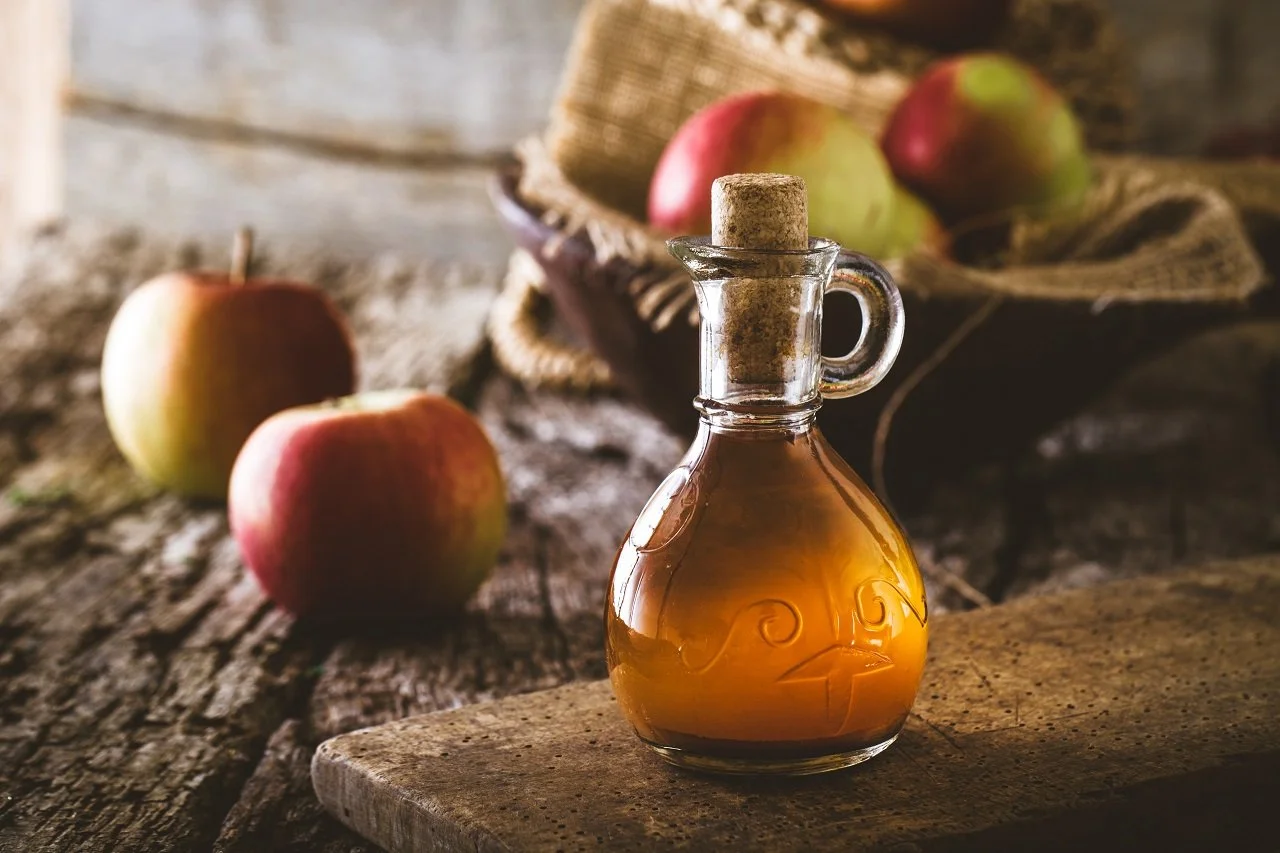
A Moment of Mindfulness: When you pour your vinegar, take a moment to notice the earthy aroma and the deep amber hue. This is a living food, a gift from the fermentation process, intended to be enjoyed with presence.
A Gentle Practitioner's Note
While ACV is a wonderful ally, it is important to listen to your body. If you have a history of stomach ulcers or if you find the acidity too strong, please consult with your practitioner. We always aim to support the body, never to strain it.
With you, one fika at a time,
Daniela
